The Mental Cost of Learning: Why Student Pressure Is Quietly Breaking a Generation
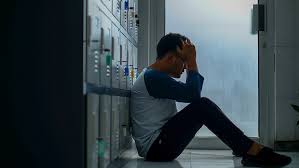
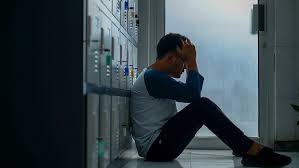
It's 2 a.m. The screen glows. The deadline is hours away, and the page is still half-empty. You're not lazy. You studied. You tried. But somewhere between the lectures, the assignments, and the feeling that everyone else has it figured out, something inside you ran out of fuel. If that's you, read this slowly. Because what you're carrying has a name, and it isn't weakness. It's academic pressure — and it's costing students far more than grades. What is the real mental cost of learning? We talk about the price of education in tuition and time. We almost never talk about the mental cost of learning. So let's say it plainly, with the numbers. A 2026 education survey found that 83% of teens name academic pressure as a major source of stress. Nearly 45% of university students say it directly damages their student mental health. The average university student spends around 55 hours a week on schoolwork — and the higher that load climbs, the steeper the burnout. And burnout isn't just a bad week. Students experiencing it are 40% more likely to drop out of their program entirely. Girls and young women carry an even heavier share, reporting markedly higher rates of persistent sadness and poor mental health than their male peers. This isn't a few struggling students. This is a generation running on empty. Why student burnout isn't a willpower problem Here's the lie most students believe: if I were just stronger, more disciplined, more organized, I'd be fine. You wouldn't. Academic pressure isn't a character flaw. It's structural. Student burnout is what happens when demand outpaces recovery for too long — and the modern way we learn is practically engineered to make that happen. Think about how it usually goes. You watch a recorded lecture. You don't fully get it. There's no one to ask, so you push on. The next topic builds on the one you missed, so now you're more lost. Then comes the exam, the cram, the panic — and a week later, most of it is gone anyway. That cycle has a cost, and it's called cognitive overload: your brain handed more than it can hold, with no room to actually process. Pile that up over months and academic stress stops being a feeling and starts being a state you live in. You didn't fail the system. The system handed you an impossible setup and called it normal. The study burnout symptoms you shouldn't ignore Burnout is sneaky. It doesn't announce itself — it just slowly drains the color out of things. Watch for these study burnout symptoms: Exhaustion that sleep doesn't fix Procrastination you can't explain — nearly 1 in 2 college students say it wrecked their performance this year A creeping "what's the point" cynicism about subjects you used to care about Trouble focusing, remembering, or finishing what you start Headaches, a tight chest, a stomach that knots up before you even open your laptop If you're nodding along, that's not you being dramatic. That's your mind and body sending a real signal. Listen to it. The hidden driver: the fear of falling behind Underneath almost all student pressure sits one quiet, relentless feeling: the fear of falling behind. Everyone else seems ahead. Everyone else seems calm. So you compare, you isolate, and you tell no one you're drowning — because admitting it feels like proof you don't belong. But that picture is a lie. The calm classmate is faking it too. The "behind" you feel is mostly the gap between your messy inside and everyone else's polished outside. The isolation is the real poison. Being stuck is survivable. Being stuck and alone is what breaks people. How to manage academic stress in a way that actually lasts You don't beat academic stress by gritting your teeth harder. You beat it by changing what you do with it. Here's how to manage academic stress without burning out completely: Treat rest as part of the work, not a reward for it. Your brain consolidates what you learn while you sleep and rest. Skipping recovery doesn't make you more productive. It makes you forget faster. Break the silence. Tell one person — a friend, a parent, a teacher. Pressure shrinks the moment it stops being a secret you carry alone. Ask for help early, not at 2 a.m. Getting unstuck on day one prevents the avalanche on day ten. Shrink the mountain. One small, finished thing beats a giant, untouched to-do list. Momentum heals. And if the weight feels like more than stress — if it's affecting how you sleep, eat, or see yourself — please talk to a counselor, a doctor, or someone you trust. Reaching out isn't giving up. It's the strongest move there is. A healthier way to learn — not just a harder one Here's the uncomfortable truth most education companies won't tell you: a lot of academic pressure is manufactured by the design of how we're taught. Passive, one-way courses leave you alone with your confusion. You watch, you fall behind, you panic. The pressure isn't a side effect — it's baked into a model that gives you information but no support the moment you actually need it. So the fix isn't learn harder. It's learn differently. A genuinely healthier way to learn removes the worst stressor at the source: being stuck and alone. Imagine getting unstuck the instant you're confused — a guide right there as you work, catching the mistake before it snowballs, so you never spiral into that silent panic at midnight. That's not magic. That's just learning the way humans were meant to: with support, in real time, instead of in isolation. This won't erase every hard day, and it isn't a substitute for real mental-health care when you need it. But removing the daily grind of struggling alone? That changes everything about how learning feels. You were never the problem. The way you were asked to learn was. And that part can change. You don't have to learn alone anymore. Zentelon replaces the silent, falling-behind feeling with a live workspace and a 3D AI mentor that catches your mistakes and guides you in real time — so learning builds you up instead of wearing you down. [Try a live session →] A note: student stress and mental health are serious. If you or someone you know is struggling, please reach out to a school counselor, a trusted adult, or a licensed professional. You deserve support.
5/8/20241 min read